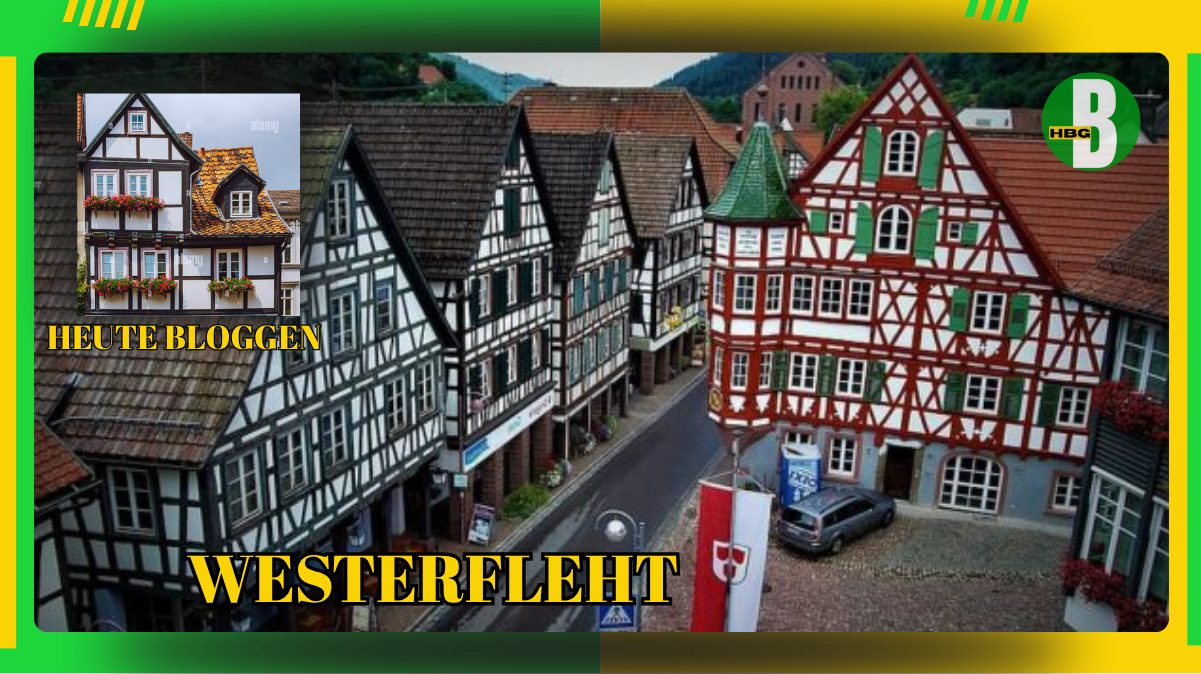
Deutschland ist bekannt für seine lebendigen Städte, seine reiche Geschichte und seine charmante Landschaft. Während viele Reisende beliebte Ziele wie Berlin, München oder Hamburg besuchen, liegen einige der authentischsten deutschen Erlebnisse in kleinen Dörfern. Eines dieser Dörfer ist Westerfleht, eine ruhige Ortschaft in Niedersachsen, die Geschichte, Kultur und Natur abseits der großen Touristenströme bietet. In diesem Artikel erfahren Sie alles über die Geschichte, Sehenswürdigkeiten, Lebensweise und Gründe, warum ein Besuch in Westerfleht lohnenswert ist.
Einführung in Westerfleht
Westerfleht ist ein kleines Dorf im Landkreis Emsland in Niedersachsen. Es gehört zur Gemeinde Westoverledingen, die mehrere idyllische Dörfer und Weiler umfasst. Der Name „Westerfleht“ stammt vermutlich aus dem Altsächsischen und bezieht sich auf Überschwemmungsgebiete oder Feuchtwiesen, was auf die historische Nähe zu Flüssen und Feuchtgebieten hinweist.
Trotz seiner bescheidenen Größe hat Westerfleht ein starkes Gemeinschaftsgefühl und bewahrt seine traditionellen Werte. Besucher schätzen die ruhige Lebensweise und die malerische Landschaft des Dorfes als erfrischenden Gegensatz zu Deutschlands Großstädten.
Historischer Hintergrund
Westerfleht hat eine lange und interessante Geschichte. Das Dorf entwickelte sich im landwirtschaftlich geprägten Emsland, wo Ackerbau und Viehzucht den Alltag bestimmten. Über Jahrhunderte entwickelte sich Westerfleht von verstreuten Bauernhöfen zu einer kleinen, organisierten Gemeinde.
Wichtige historische Meilensteine:
- Mittelalter: Erste Siedlungen konzentrierten sich auf Landwirtschaft und Handel entlang der Flüsse.
- 19. Jahrhundert: Die Industrialisierung brachte einige Modernisierungen, doch Westerfleht bewahrte weitgehend seinen ländlichen Charme.
- Heute: Westerfleht verbindet Tradition mit modernen Annehmlichkeiten und bewahrt gleichzeitig seine historische Architektur.
Geografie und Natur
Westerfleht liegt in einer flachen, fruchtbaren Landschaft, umgeben von Feldern, kleinen Wäldern und dem nahegelegenen Fluss Ems, der historisch für Handel und Transport bedeutend war.
Landschaftliche Highlights:
- Ems-Rundwege: Ideal zum Wandern, Radfahren und Vogelbeobachten.
- Ländliche Landschaften: Weite Felder und grüne Wiesen, die sich je nach Jahreszeit wunderschön verändern.
- Flora und Fauna: Vielfältige Pflanzenarten und Wildtiere machen die Region für Naturfreunde interessant.
Die natürliche Umgebung des Dorfes ist eine seiner größten Attraktionen und bietet Ruhe und Entspannung.
Bevölkerung und Gemeinschaft
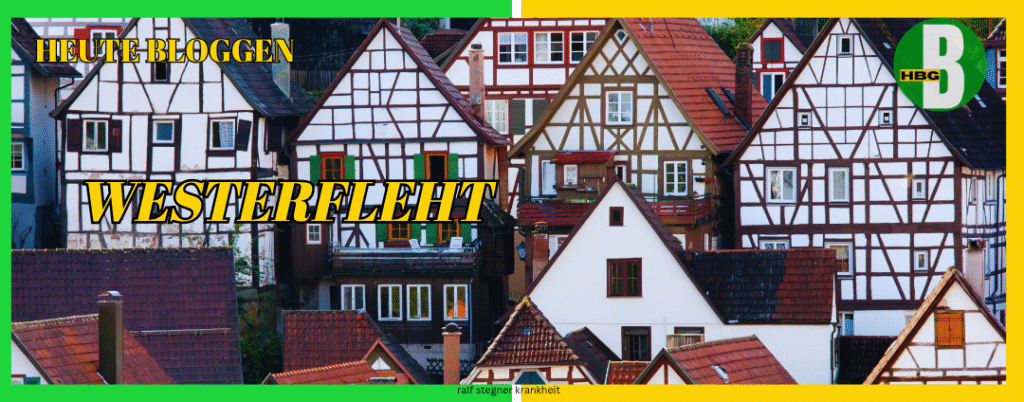
Westerfleht hat eine kleine Bevölkerung, hauptsächlich deutsche Staatsbürger. Wie viele ländliche Regionen verzeichnet das Dorf eine Abwanderung junger Menschen in größere Städte, doch die starke Gemeinschaft hält das Dorf lebendig.
Lebensweise in Westerfleht:
- Gemeinschaftsveranstaltungen: Jährliche Feste, Weihnachtsmärkte und Erntefeste stärken die lokalen Bindungen.
- Traditionelles Handwerk: Lokale Kunsthandwerker bewahren alte Fertigkeiten.
- Nachhaltiges Leben: Viele Bewohner pflegen Hausgärten, kleine Höfe und umweltfreundliche Praktiken.
Sehenswürdigkeiten in Westerfleht
Obwohl Westerfleht kein großes Touristenziel ist, gibt es einige Attraktionen, die einen Besuch lohnen:
- St. Johannes Kirche: Historische Kirche mit traditioneller Architektur und farbigen Glasfenstern.
- Alter Dorfplatz: Zentrum des Dorfes mit historischen Gebäuden, Geschäften und Cafés.
- Burgruinen von Westerfleht: Auf einem Hügel gelegene Ruinen mit Panoramablick auf die Umgebung.
- Bauernhof-Tourismus: Erleben Sie das Landleben, kosten Sie lokale Produkte und beobachten Sie traditionelle Landwirtschaft.
- Wander- und Radwege: Pfade, die die natürliche Schönheit des Dorfes und der Flusslandschaft zeigen.
Besucher erleben hier eine Kombination aus Geschichte, Natur und authentischem Dorfleben.
Wirtschaft und Dorfleben
Traditionell war die Landwirtschaft das Rückgrat der Wirtschaft in Westerfleht. Heute konzentriert sich das Dorf weiterhin auf den Ackerbau, hat aber auch andere Bereiche entwickelt:
- Kleine Unternehmen und Handwerk
- Ökotourismus und Gästehäuser
- Lokale Lebensmittelproduktion und Märkte
Die wirtschaftlichen Aktivitäten sind eng mit Traditionen verbunden und tragen dazu bei, den einzigartigen Charakter des Dorfes zu bewahren.
Unterkunft und Anreise
Trotz der kleinen Größe des Dorfes gibt es verschiedene Unterkunftsmöglichkeiten:
- Gasthäuser: Gemütliche, familiengeführte Unterkünfte mit persönlichem Service.
- Bauernhof-Übernachtungen: Möglichkeit, das Landleben hautnah zu erleben.
- Ferienhäuser: Private Unterkünfte für Familien oder Reisende, die mehr Unabhängigkeit wünschen.
Anreise:
- Mit dem Auto: Gut angebunden über Straßen von nahegelegenen Städten wie Leer.
- Öffentlicher Nahverkehr: Busse verbinden Westerfleht mit Westoverledingen und Leer.
Essen und Kulinarik
Westerfleht bietet typische niedersächsische Gerichte:
- Grünkohl mit Pinkel: Ein Wintergericht aus Grünkohl und Wurst.
- Spargel: Besonders beliebt im Frühling.
- Regionalbier und Apfelwein: Perfekte Begleiter zu den lokalen Mahlzeiten.
Besucher genießen hier herzhafte, hausgemachte Speisen in Restaurants oder auf Bauernhöfen.
Beste Reisezeit
Die Frühjahrs- und Sommermonate sind ideal für einen Besuch, mit mildem Wetter und blühender Landschaft. In diesen Jahreszeiten finden auch Feste und Aktivitäten im Freien statt. Der Herbst bietet ebenfalls malerische Aussichten mit buntem Laub und ruhiger Landschaft.
Warum Westerfleht einen Besuch wert ist
Westerfleht vereint:
- Authentisches ländliches Leben in Deutschland
- Reiche Geschichte und Traditionen
- Malerische Natur
- Traditionelle Küche und Handwerk
- Ruhiges, gemeinschaftliches Dorfleben
Für Reisende, die abseits der ausgetretenen Pfade unterwegs sein möchten, ist Westerfleht ein ideales Ziel.
Häufig gestellte Fragen (FAQ)
1. Wie viele Menschen leben in Westerfleht?
Westerfleht hat etwa 1.000 Einwohner.
2. Wie komme ich nach Westerfleht?
Westerfleht ist mit dem Auto über Straßen von nahegelegenen Städten wie Leer gut erreichbar. Lokale Busse verbinden das Dorf mit der Umgebung.
3. Gibt es kulturelle Veranstaltungen in Westerfleht?
Ja, darunter Erntefeste, Weihnachtsmärkte und traditionelle Musikveranstaltungen.
4. Welche lokalen Spezialitäten sollte man probieren?
Grünkohl mit Pinkel, Spargelgerichte und regionales Bier oder Apfelwein.
5. Ist Westerfleht für Familien geeignet?
Ja, das Dorf bietet Outdoor-Aktivitäten, kulturelle Erlebnisse und eine sichere Umgebung für Kinder.
Fazit
Westerfleht mag klein sein, doch sein Charme liegt in seiner Authentizität. Besucher können das traditionelle Dorfleben erleben, die landschaftliche Schönheit genießen und einen ruhigen, entspannten Aufenthalt verbringen. Für alle, die das Herz Niedersachsens entdecken möchten, ist Westerfleht ein verborgenes Juwel, das es zu erkunden lohnt.
Mehr Lesen